Use urgent local help now when
- The child talks about self-harm, may be in immediate danger or cannot stay safe.
- Stay with the child and use the appropriate local emergency or crisis route; do not leave tennis staff to manage this alone.
Start with listening
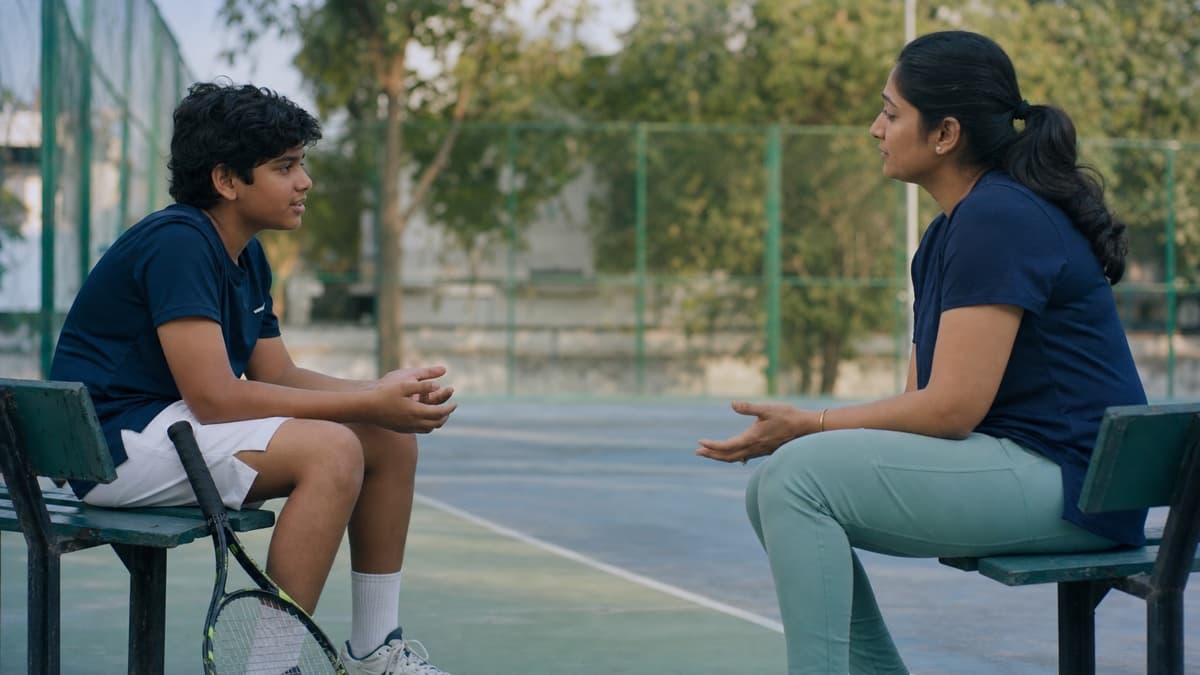
Choose a neutral moment and say: “I’ve noticed tennis has felt heavier lately. I’m not here to persuade you. What has it been like for you?”
Do not immediately defend the coach, explain the benefits of tennis or remind the child how much has been invested. Ask what they want to change.
Reduce the next demand
The first step may be a quieter match routine, fewer competitions, a short schedule adjustment or time away from evaluation. Make changes with the child rather than presenting them as a punishment.
Keep identity wider than tennis. Avoid speaking as though results determine their worth, family pride or future.
Know when this is bigger than tennis
Seek more support when distress keeps returning, the child withdraws from activities they usually enjoy, or there are meaningful changes in mood, sleep, appetite, concentration, school or relationships.
A coach can adjust the tennis environment. A qualified health or mental-health professional should assess wider or persistent wellbeing concerns.
Put it into practice
What parents can do
- Describe what you have noticed without labelling the child.
- Listen before proposing solutions.
- Remove one immediate source of pressure.
- Protect interests and relationships outside tennis.
Choose the right next step
Who to contact—and what to say
- Coach: “Our child is showing repeated distress around tennis. What have you noticed, and what can be adjusted?”
- Health or mental-health professional: “These changes are persistent and affecting life beyond the court. We would like an assessment.”
- Urgent local help: act immediately if the child talks about self-harm, may be in immediate danger or cannot stay safe.
Evidence basis
Sources used for this guide
Last editorial update 25 July 2026
Share this guide with another parent